 Corsican Places invites adventure enthusiasts to embark on a journey through Corsica's landscapes with its 2024 walking holidays, now on sale. There is a choice of eight self-guided itineraries, from moderate leisurely strolls to one of Europe's most challenging treks, allowing customers to immerse themselves in some of Corsica's most breath taking scenery and bucket-list adventures.
With over 36 years expertise, Corsican Places collaborates directly with local walking providers, ensuring variety and some of the island's best walking. Marked trails guarantee diverse experiences, the operator's specialist sales team provide personalised advice, while its local provider offers 24/7 on-the-ground support. Tours include: Corsica Island Mystery Tour: A seven-night holiday combining four days self-guided walking at moderate level along footpaths and trails of Corsica's north-west. Providing the perfect contrast between coastal scenery and rugged mountains, pine forests, rivers and waterfalls with natural rock pools, the tour includes character accommodation and traditional food, with an optional fifth day of walking for those keen to explore more. After arriving at Calvi airport, customers are transferred to the nearby train station for the short journey to Corte, once Corsica's capital and where the walking begins. Luggage transfers are included between hotels enroute. Weekend departures are available between May and September, with packages from £1745 pp (two sharing). Price includes flights, accommodation, transfers, map and route notes. The GR20 For experienced hikers, the legendary GR20 trek is a must. Corsican Places offers 14-night packages tackling 13 of the full 16 GR20 sections, as well as seven-night tours and six-day treks through challenging sections of GR20 North or GR20 South. Sample tour: GR20 North: A seven-night bucket-list adventure for seasoned hikers, featuring six days strenuous self-guided walking along one of Europe's most challenging treks. Prices from £1770pp, including flights, accommodation (options include camping and shepherds' cabins), meals and luggage transfers. For bookings and more information, visit Corsica.co.uk or call 01489 866931. (image (c) Corsican Places via Travmedia) I have no personal experience of these tours, just sharing press news
0 Comments
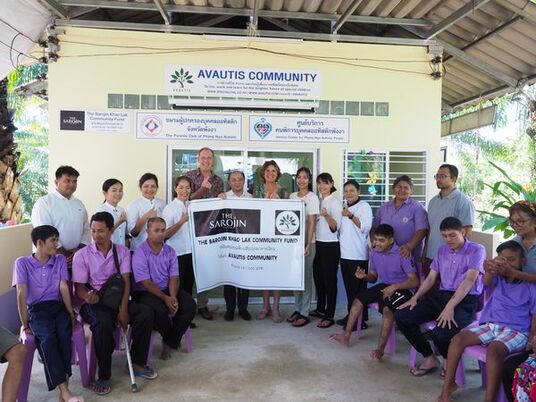 Known for its commitment to responsible tourism and community engagement, Khao Lak's boutique residence The Sarojin has announced the addition of visits to local autistic social enterprise Avautis as part of its 'Sarojin Cares' volunteering programme. This follows a recent $4,000 plus donation directed towards building a new classroom facility, which was completed and inaugurated in November.
Avautis is a social enterprise project developed by The Parent Club of Phang Nga Autistic Persons whose aim is to provide sustainable employment, education and financial support for autistic adults and children. They do this by providing the skills and resources required to operate an organic farm and also to produce and distribute FDA-approved skin care products. These include Avautis Serum, Avautis Facial Cream and Avautis Hands and Nails Cream produced with natural herbs sourced in the area, such as turmeric from Thap Put District in the Phang Nga Province. Promoting inclusivity and empowerment of the local community are values that align with The Sarojin. Including visits to the facilities under the 'Sarojin Cares' umbrella will allow staff and guests who wish to take part to assist however needed. This could include helping clean facilities, assisting with skincare product production, farm maintenance or planning activities with the children. Guests staying at The Sarojin receive a complimentary invitation to take part in the 'Sarojin Cares Days' , monthly team outings to take part in volunteer community work. The resort offers guests the chance to immerse themselves in hands-on activities, get involved with the local community and care for the environment whilst enjoying a luxurious escape. To date excursions have included cleaning in nearby towns, coastlines and waterfalls, longtail boat and bridge restorations, orphanage visits, joining a local facility for disabled children for arts, crafts, games, singing and dancing, tree planting and mangrove restoration as part of the 'One Booking One Tree' scheme. More on The Sarojin and its community initiatives: https://www.sarojin.com/en/khao-lak-resort-sarojin/community-and-environment/ image (c) The Sarojin  Introducing Billnäs Gård, a design-led hospitality concept just an hour away from Helsinki. It operates as part wellbeing-focused boutique hotel and part private hire and retreat space throughout the year. Sited on the Svartå River in the heart of the ancient Billnäs ironworks and surrounded by all things natural the Mediterranean-style property offers a blend of wellness, creative and adventure pursuits enveloped in bespoke, modern luxury.
Taina Snellman-Langenskiöld and Chris Langenskiöld are the people behind this new concept. Taina, a design-thinking entrepreneur, is responsible for the interior and garden design which reflect a blend of Finnish sustainable design principles and diverse influences. Billnäs Gård has been a dream project for Taina since the renovation of the property began in 2021. The programme of holistic experiences devised by Chris provides guests with support to slow down, reconnect with themselves and enhance their wellbeing. The aim is for guests to leave this holistic space feeling better equipped to face the challenges of daily life. Whether booked as a private family rental, for a corporate event or filled with solo travellers, couples and friends enjoying celebratory getaways, guests can explore the surrounding pine forest and benefit from a programme of optional, rejuvenating activities designed to realign them with themselves and nature. The property Dating back to 1912, the property features six bookable guest rooms each with private bathroom, accommodating up to 12 guests in all. In summer, guests can spend the night in a riverside cabin offering a more private, rustic experience. There is a heated saltwater pool in the garden providing a picturesque setting for relaxation and rejuvenation and a subterranean spa/meditation space features soft heated concrete benches, sauna and herbal bathtub housed within a candlelit historical structure - all vibrating as a binaural healing soundscape. Staff remain on site whether the property's multiple common spaces are being used for private parties or larger scale meetings, events and celebrations. Billnäs Gård is also available for private hire upon request with or without a curated holistic wellness programme. Design At Billnäs Gård, guests can expect a harmonious blend of sustainable Finnish design principles in natural colour schemes and materials. Vintage and second-hand pieces are complemented with modern furniture classics. William Morris wallpapers juxtapose Alvar Aalto design icons, while locally woven rugs and fabrics lend a soft feel. Bedroom mattresses are handmade in Finland from natural materials such as local wool. 11 New Immersive Culinary Programmes Bolster Brand Promise for World Class Culinary Experiences Seven New Immersive Epicurean Spotlight Voyages Revealed with Further Culinary-Focused Initiatives to be Announced Regent Seven Seas Cruises®, leading luxury ocean cruise line, has unveiled its new immersive culinary programme - Epicurean Perfection - inspiring culinary exploration and experiences with a myriad of opportunities for guests to satiate their inner gourmand and savour their journey onboard The World’s Most Luxurious Fleet™. To launch Epicurean Perfection, Regent has unveiled 11 Epicurean Spotlight Voyages that will sail in 2023, 2024 and 2025. All 11 cruises will offer discerning travellers incomparable experiences with some of the world’s most talented and successful culinary figures. “Nothing enhances travel like cuisine. That is why we are unveiling our new Epicurean Perfection programming, so our guests have an unrivalled culinary experience both onboard and ashore with our collection of world class restaurants, immersive shore excursions, tours, classes, and tastings,” said Andrea DeMarco, President of Regent Seven Seas Cruises. “We’re excited to launch our new Epicurean Spotlight Voyages with world-renowned chefs, vintners and sommeliers who will provide fascinating insights and unforgettable moments for our guests.” Epicurean Perfection gives guests the opportunity to taste the world around them through Unrivalled Cuisine, Epicurean Explorations and Epicurean Enrichment. The new concept, perfected by Regent Seven Seas Cruises’ seasoned culinary teams, features exquisite cuisine in up to five speciality restaurants, immersive shoreside excursions, private fine wine and spirit tasting sessions, enriching hands-on cooking classes as part of its state-of-the-art Culinary Arts Kitchen, plus enlightening demonstrations, talks and presentations. In addition, guests may discover more about the personal experiences and influences from around the globe that have inspired Regent’s culinary teams in the cruise line’s video series Heritage Stories. More about Regent’s pursuit for Epicurean Perfection at RSSC.com/experience/epicurean-perfection. New Epicurean Spotlight Voyages The first of several culinary initiatives to be launched this year, includes a collection of 11 immersive Epicurean Spotlight Voyages featuring world-class chefs and masterful vintners specially curated for voyages onboard Seven Seas Grandeur™, Seven Seas Splendor® and Seven Seas Explorer®, Seven Seas Mariner®, and Seven Seas Voyager®. 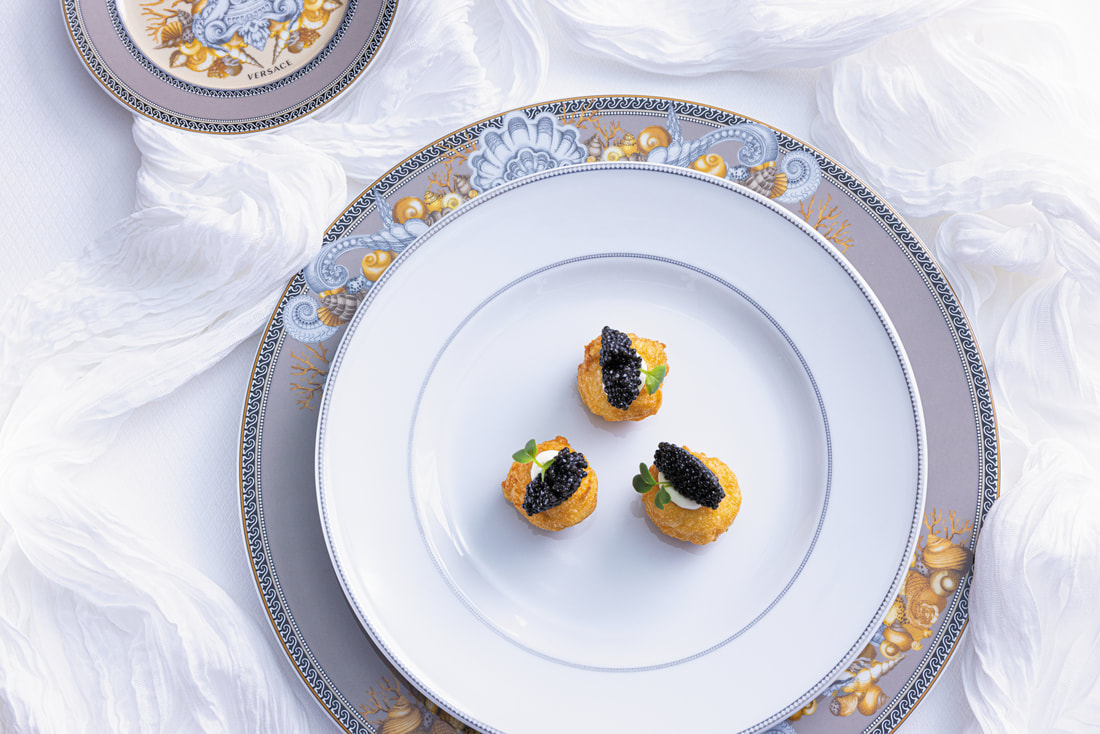 all images provided by Regent Seven Seas Cruises® image - Compass Rose - American Paddlefish Profiteroles ©RSSC Epicurean Spotlight with Chef Mark Bittman and Executive Culinary Director Wolfgang Maier Seven Seas Explorer® - June 21, 2023 Seward, Alaska to Vancouver, British Columbia Epicurean Spotlight with Chef Alain Roux & Chef Michael Nizzero Seven Seas Mariner® - August 14, 2023 Rome (Civitavecchia) to Venice (Fusina) Epicurean Spotlight with Chef Vincent Seven Seas Explorer® August 30, 2023 Seward, Alaska to Vancouver, British Columbia Epicurean Spotlight on Wine with Doug Frost, Master Sommelier Seven Seas Splendor® October 8, 2023 Barcelona (Tarragona) to Venice (Fusina) Epicurean Spotlight on Wine with Honig Wineries Seven Seas Splendor® November 6, 2023 Athens (Piraeus) to Rome (Civitavecchia) Epicurean Spotlight on Wine with Caldwell Vineyard Seven Seas Voyager® March 9, 2024 Buenos Aires to Rio de Janeiro Epicurean Spotlight on Wine with CAST Wines Seven Seas Splendor® April 14, 2024 Barcelona to Rome (Civitavecchia) Epicurean Spotlight on Wine with Sbragia Family Vineyards Seven Seas Voyager® May 8, 2024 Istanbul to Athens (Piraeus) Epicurean Spotlight with Chef Tommaso and Celebrity John O’Hurley Seven Seas Grandeur™ August 14, 2024 Athens (Piraeus), Greece to Barcelona, Spain Epicurean Spotlight with ZAP: Zinfandel Advocates and Producers Seven Seas Explorer® March 31, 2025 Tokyo to Tokyo 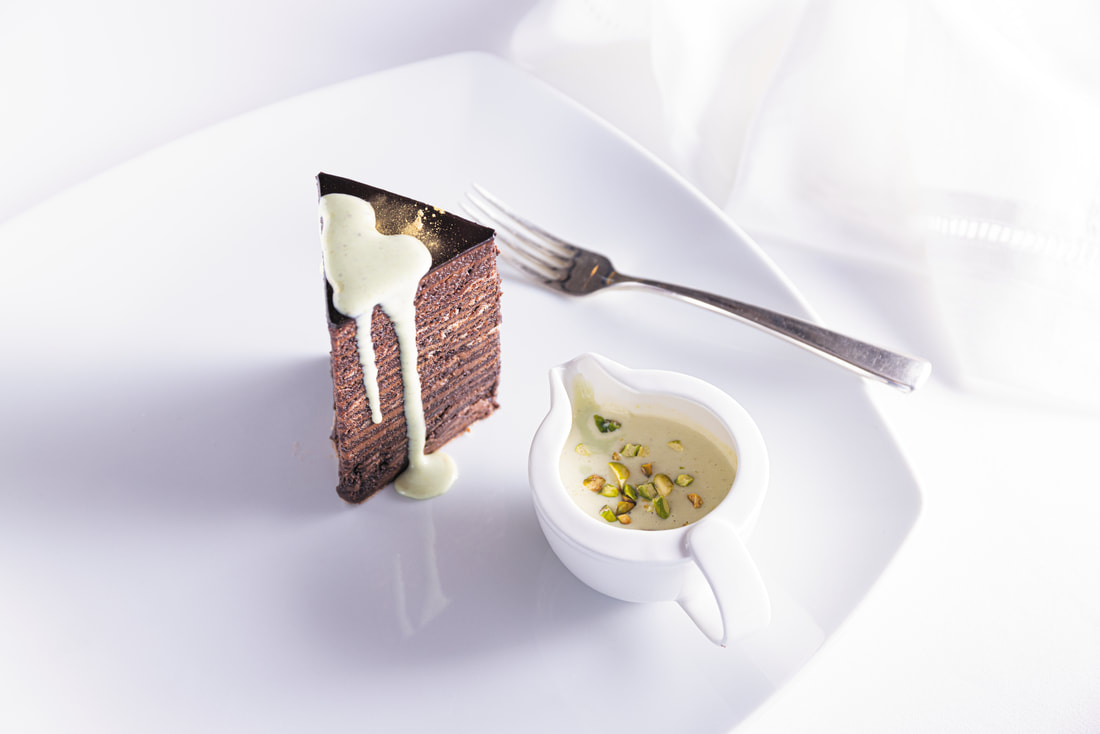 all images provided by Regent Seven Seas Cruises® Prime 7 Layered Cake ©RSSC Unrivalled Cuisine Regent’s onboard culinary experiences go well beyond the inclusion of most speciality restaurants on any luxury or premium cruise brand. Special tastings, deck-top regional barbecues and enriching cooking classes are just a few of the ingredients that come together to create discernibly unrivalled culinary experiences. Signature restaurants include Compass Rose, Regent’s largest speciality restaurant featuring exquisite selections where guests to customise their meal; Chartreuse, offering classic French fare with a modern twist; Prime 7, intimate and elegant steakhouse exuding class and glamour while elevating classic American fare; Pacific Rim, a dramatic speciality restaurant with a diverse array of Pan-Asian dishes; La Veranda, offering ocean views while enjoying elegant breakfast and lunch buffets in the chic indoor dining room or al fresco on the shaded, open-air deck; and Sette Mari at La Veranda, featuring a dinner menu of authentic Italian specialities and fine wines. 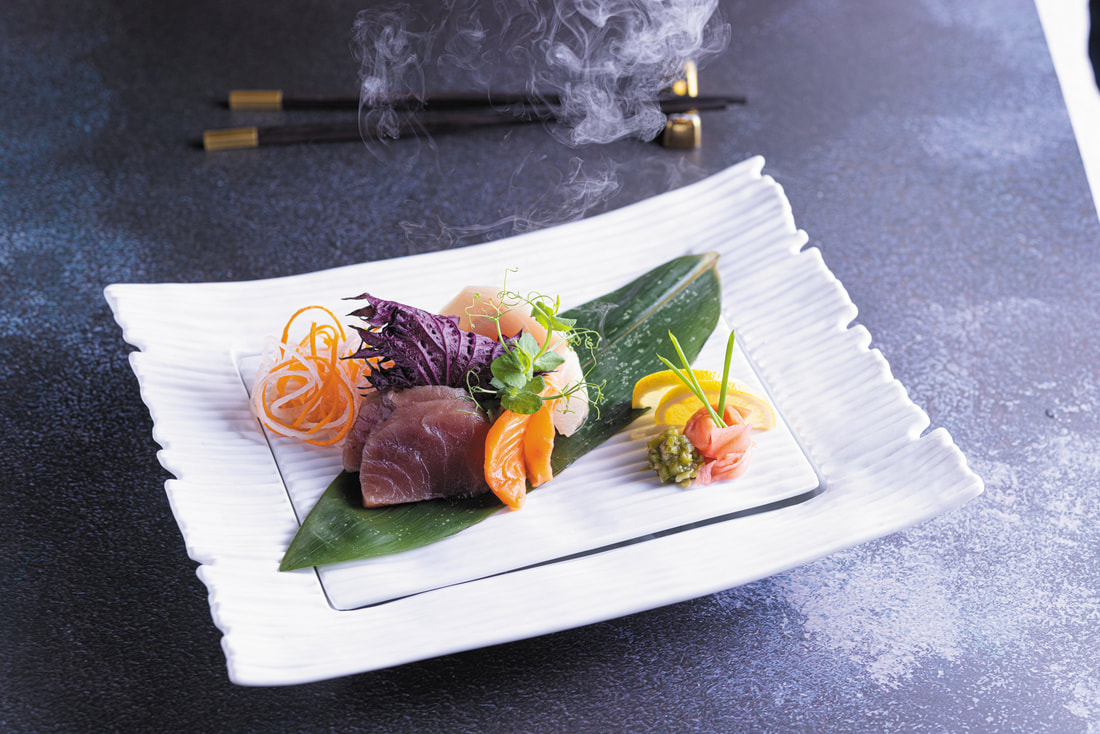 all images provided by Regent Seven Seas Cruises® Pacific Rim - Salmon & Tuna Sashimi ©RSSC
Epicurean Explorer Tours: Step ashore to taste and discover ancient markets and world-class restaurants before returning to the ship to incorporate new learnings in the Culinary Arts Kitchen. Wine & Spirits Tours: Experience delectable beverages produced in the destination, from vineyards in Bordeaux to an Irish distillery. Food & Wine Tours: Led by knowledgeable culinary professionals and in partnership with Food & Wine Trails, these curated tours include various delectable food and wine experiences. Local Flavours Tours: Dine in the spots favoured by discerning locals for authentic culinary experiences Epicurean Spotlight Voyages: These Spotlight Voyages specially curated are crafted around particular culinary interests and guests including vintners and chefs. Culinary Arts Kitchen Experience: Expanding on the success of Regent’s world-class Culinary Arts Kitchen – a professional-grade culinary teaching facility aboard Seven Seas Grandeur, Seven Seas Splendor, and Seven Seas Explorer – the Culinary Arts Kitchen Experiences offer hands-on classes, special demonstrations and tours. Epicurean Engagements: Part of the luxury cruise line’s enriching Speaker Series, talks and presentations offer insights from culinary experts. The fascinating culinary expedition surrounding the refined menu in Sette Mari was documented in a short film which can be viewed here. Long-standing culinary traditions of the south of France used to inspire new recipes and wine options in Regent’s French restaurant Chartreuse can be viewed here. For more information visit RSSC.com , call 023 8068 2280 or contact a professional travel advisor. Swan Hellenic and SETI Institute announce programme of lecturers onboard specific expedition cruises throughout the year for the ‘Explore Space at Sea’ seriesSwan Hellenic is the expedition cruise company to travel with to see the Arctic, Antarctic and indeed, the rest of the world – from Brazil to Papua New Guinea, Norway to New Zealand, Australia to Africa, Madagascar to the Mediterranean. It has two state-of-the-art expedition ships, SH Minerva and SH Vega and a brand-new expedition cruise ship SH Diana will be launched on 4 May 2023, bringing Swan Hellenic’s cutting-edge fleet to three.
Incorporated as a Californian non-profit corporation, the SETI Institute is a space and earth science research organisation supporting NASA and NSF programmes and partnering with private industry and academia to answer some of humanity’s most profound scientific questions. SETI stands for 'search for extra-terrestrial intelligence'. Swan Hellenic teamed up with the SETI Institute to take its cruise explorations further and deeper, including into the far reaches of space. Now Swan Hellenic has announced further details of its partnership with the SETI Institute to provide guests with expert insights into the history and latest discoveries in astronomy, astrophysics, astrobiology and planetary science – and the quest to find other forms of life within and beyond our solar system. This quest takes SETI Institute researchers to the planet’s most remote and inhospitable corners to explore life, including Antarctica, where the Swan Hellenic fleet is present for several months every year. The new partnership will engage Swan Hellenic's many adventure travellers with never-before-seen presentations on explorations around Earth and beyond, adding an extra dimension to their journey. |