 Pet wellness experts, Itch, have launched the first ever pet insurance. It rewards proactive pet care, giving pet parents discounts on their insurance for taking the best possible care of their pets with Itch’s range of parasite protection and pet wellbeing products. To celebrate the launch of Itch Insure, Itch worked with animal behaviour and welfare expert Dr Lauren Finka, to create a unique, innovative audio experience for owners and pets to enjoy together. The audio track which is voiced by Oli Juste, leading dog trainer, behaviourist and Itch advisory panellist, is designed to ensure the time we spend with our pets is as rewarding as it can be. Research from Itch into how we reward ourselves and our pets found that over two thirds (67%) of pet owners see their pets as much a part of the family as siblings, children and parents. Over a third (35%) also say that they often go above and beyond to ensure their pet is as happy and healthy as is possible, yet just over half (57%) of Brits say they have pet insurance, leaving 43% of pet owners at risk should anything happen to their fluffy friends. With such an unbreakable bond between pet and owner, it makes sense that a further third (34%) say they love to share rewarding experiences with their pet and admit to trying to replicate human experiences for them to enjoy such as letting them eat human food (17%) and massaging them (17%). Itch also found ‘anxiety and stress’ are the most reported pet health conditions by owners when signing-up to an Itch subscription, as well as one of the top causes of current concerns by pet owners (23%). Respondents also expressed that their pets are one of their biggest concerns in life (44%), more than their finances (40%) or even their job (17%). As such, the audio track places a focus firmly on pet health and wellbeing and features positive reinforcement for both human and animal. The creation of the unique Pet ‘af-fur-mations’ audio track in reaction to the findings combines classical music, affirmations and meditation for a unique, innovative sound experience for owner and pet. It provides ultimate relaxation and a moment of calm for pets and owners to enjoy together. Dr Lauren Finka discusses the benefits of sounds and affirmations for pets: “The idea behind this audio experience is for pet owners to take a few moments to enter into a calm, peaceful and positive mental state while being close to their pets. Scientific research shows that pets are sensitive to our tone of voice, body language and facial expressions and may therefore notice (and appreciate) the changes in our behaviour that the relaxation practice using this track will bring. “Studies also suggest that just like in humans, classical music can calm and relax cats and dogs. Additionally, positive verbal praise from owners has been found to stimulate the ‘reward’ parts of dogs’ brains. Therefore, as well as encouraging us humans to relax, the music and affirmations selected for the audio track are also designed to have a directly positive, calming impact on your pet.” Research also found that pet owners believe one of the best ways to reward their pets is by keeping them healthy (27%). 32% reward their pet by taking them on a long walk, 23% think about regular parasite protection, 22% make sure they only give their pet ‘healthy’ food and 10% purchase some kind of health supplement for their pet. Andrew Pinnington, CEO at Itch, commented: “It’s great to see that pet health and wellbeing is at the top of the agenda for pet owners. As well as the reward that cat and dog owners receive from having a healthy and happy pet in their lives, we think they should also be rewarded for taking the best possible care of their pets and that’s exactly what Itch Insure is all about. As a member of Itch, you’re taking a proactive approach to pet care by protecting your pet against fleas, ticks, lice and worms, as well as common pet health concerns such as ear infections and dental issues. We think this deserves great savings on your insurance, as healthy pets take less trips to the vets.” Itch is a hassle-free monthly subscription service for pet health and well-being products including highly effective parasite treatments. By using Itch Treatments, you are focusing on your furry friends wellbeing. This means Itch will reward you with 10-17% off your insurance payments based on your subscription level. The more you protect your pet, the more you save. Zoe Costigan, in-house Vet at Itch adds: “Insurance that promotes the wellbeing of pets by encouraging and rewarding proactive care should be a leading choice for all pet parents. When you sign-up to Itch Insure you get unlimited access to the Itch Vet Clinic. There are a range of experts, including behaviourists on hand with a friendly listening ear, whenever you need them.” Itch Insure is provided by Pinnacle Insurance PLC. Itch Insure members can also get access to the Itch Vet Clinic, offering 24/7 free and unlimited advice from vets, nurses, behaviourists and counsellors. To find out more and to sign-up to Itch Insure, please visit www.itchpet.com/insure.
To listen to the pet af-fur-mations and for tips on setting the experience up, visit The Itch website. image (c) itch Promoted Post
0 Comments
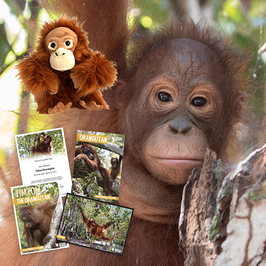
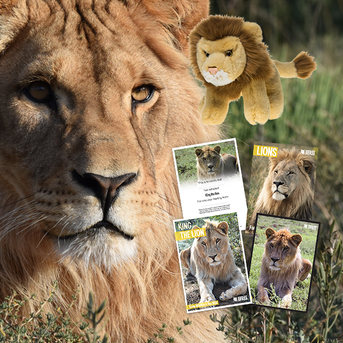 A Born Free adoption is the gift that gives twice. From King the lion to the Brown Bear Orphans, there are 19 fabulous adoptions to choose from. All are real animals, either living in the wild and protected by Born Free's conservation projects or receiving expert lifetime care in the charity's sanctuaries. Besides adopting an animal, you can buy your Christmas gifts here too. A varying percentage of profits from sales, depending on product, go directly to Born Free, the international wildlife charity founded in 1984 by actors Bill Travers MBE and Virginia McKenna OBE. Adoption packs last one year. The recipient receives a gift pack, soft toy and a bi annual copy of Born Free’s Adopt magazine.
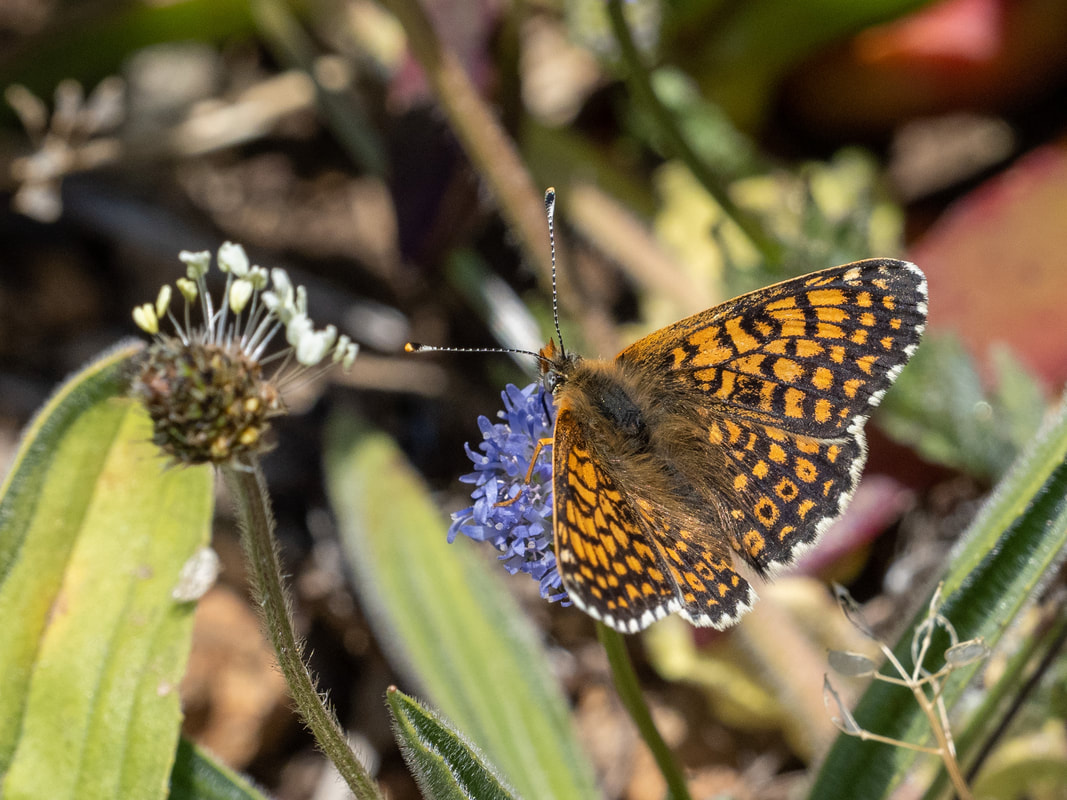
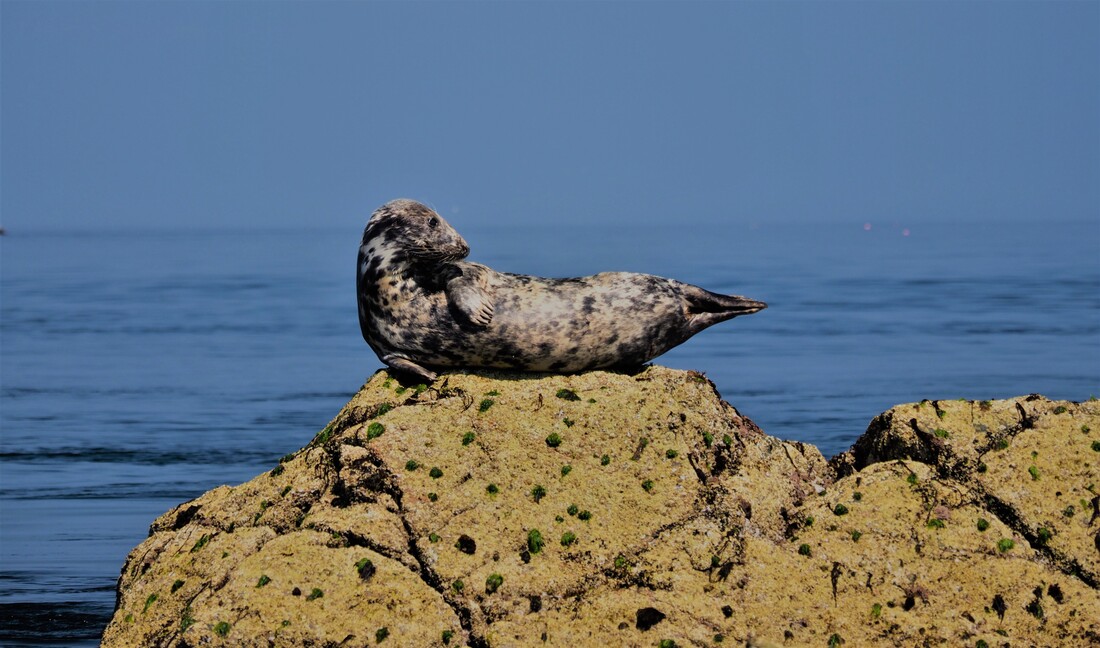
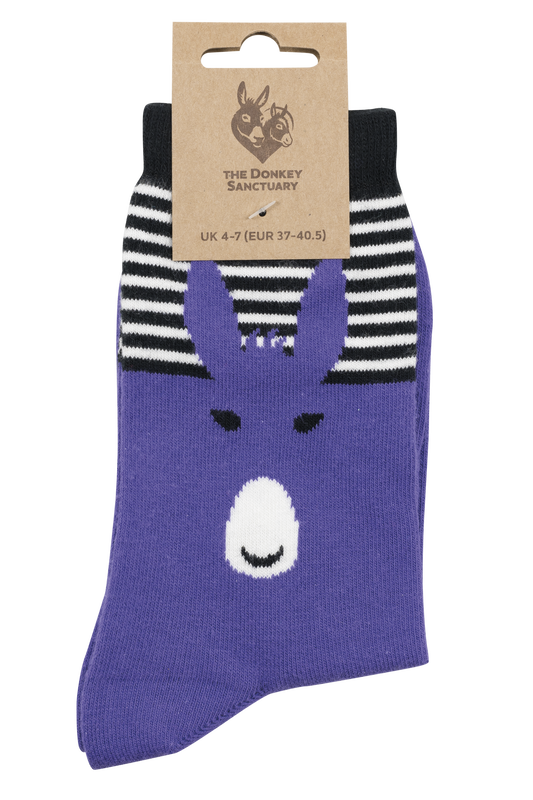
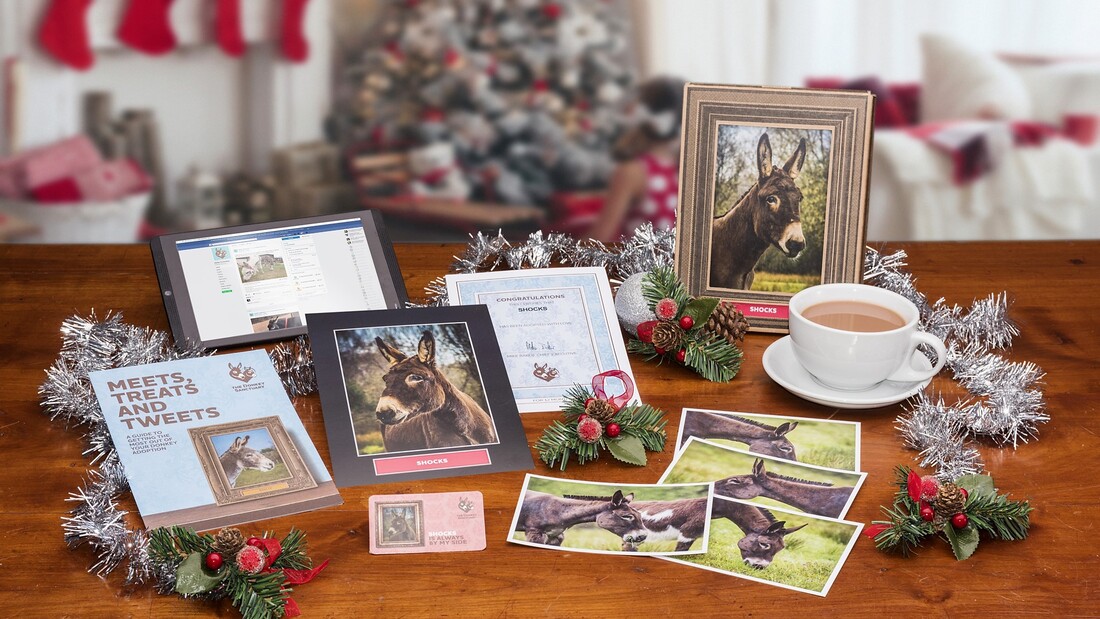
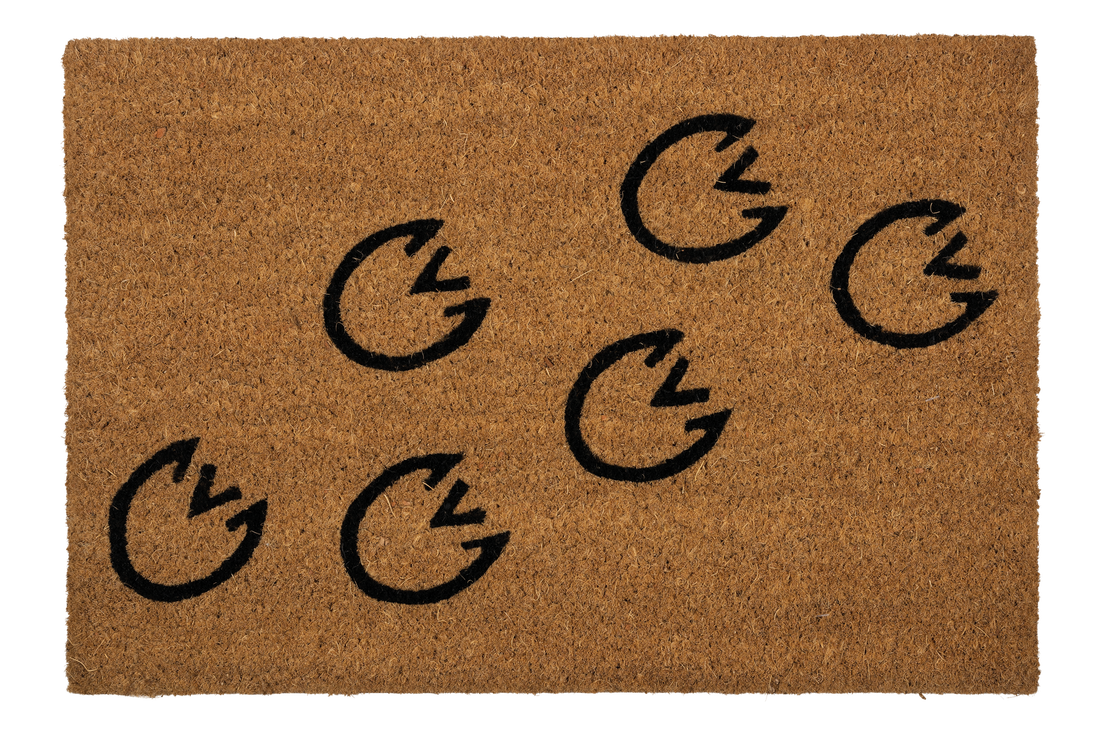
Alderney wildlife sightings The Alderney Wildlife Trust has reported sightings of bottlenose dolphins, grey seals and 2021's first butterfly, the Red Admiral while the island is also home to blonde hedgehogs, the lesser-spotted palmate newt and birds including the Dartford warbler and grey wagtail. The Bird Observatory on Longis bay provides accommodation for bird watchers and researchers, so allowing them to get even closer to the island’s winged inhabitants. Staff from the Alderney Wildlife Trust have teamed up with Visit Alderney to provide a series of virtual walks starting with Fort Albert and Bibette Head Trail, which can be watched on the Trust's YouTube channel here. 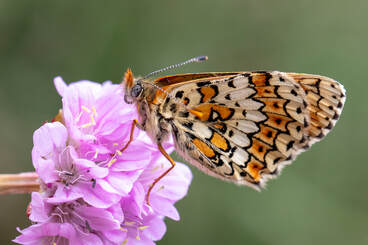 Wildflowers, insects and marine life in Guernsey Swathes of yellow gorse and bright pink common storksbill are emerging along the south coast with endemic ferns and orchid fields prolific at Les Vicheries on the west coast. Bee orchids were found for the first time last year in St Germain. For amateur entomologists, the rare black backed meadow ant, once found across the British Isles, now live only on the cliffs in Guernsey as well as some neighbouring Islands. Nests are marked with red flags. The rare glanville fritillary butterfly is a frequent sight in Guernsey despite falling numbers in the UK, where they’re now spotted in just a few coastal locations. In bays around the island and off neighbouring Herm, underwater meadows of seagrass are visible at low tide. These act as a nursery for schools of fish and absorb carbon from the atmosphere. Large pods of dolphins travel along the south coast cliffs with Havelet bay recorded as the most popular sighting spot. You might also see the shy brown Guernsey vole, considerably larger than its European counterpart, as it is occasionally visible in the fields. Read about one of my visits to Guernsey and Sark HERE During lockdown, La Société Guernesiaise, an organisation whose goal is to preserve Guernsey’s biodiversity, has launched the initiative ‘A Look at Lockdown’ to encourage locals to take photos of wildlife. There has been an increase due to fewer cars being on the road. Puffin watching in Herm & Sark From mid-March to July, puffins migrate to the islands to breed, especially on Herm and Sark. In normal times, visitors can take a boat trip around the islands, while the more adventurous may prefer a puffin-kayaking trip with Outdoor Guernsey. Sark’s Gouliot Headland, declared a ‘Wetland of International Importance’ under the Ramsar Convention, is carpeted with anemones, sponges and soft corals, seen during spring low tide. Herm is a Ramsar site designated for its intertidal area and breeding bird populations. Bird nesting in Lihou The tidal island of Lihou also a Ramsar site is home to over 150 species of birds including the striking black-backed gull. Lihou’s rocky outcrops and shingle banks offer the perfect nesting environment. The absence of visitors last year meant that breeding pairs of internationally important species including European shags and oystercatchers were seen nesting around the island. Over the past few years the species have been in decline due to human interference. However, Lihou's unique location and lockdown measures enabled the birds to breed successfully. more at www.visitguernsey.com images (c) Andy Marquis - Guernsey Wildlife and Nature Photography /The Bailiwick DolFin Project/ Rod Ferbrache 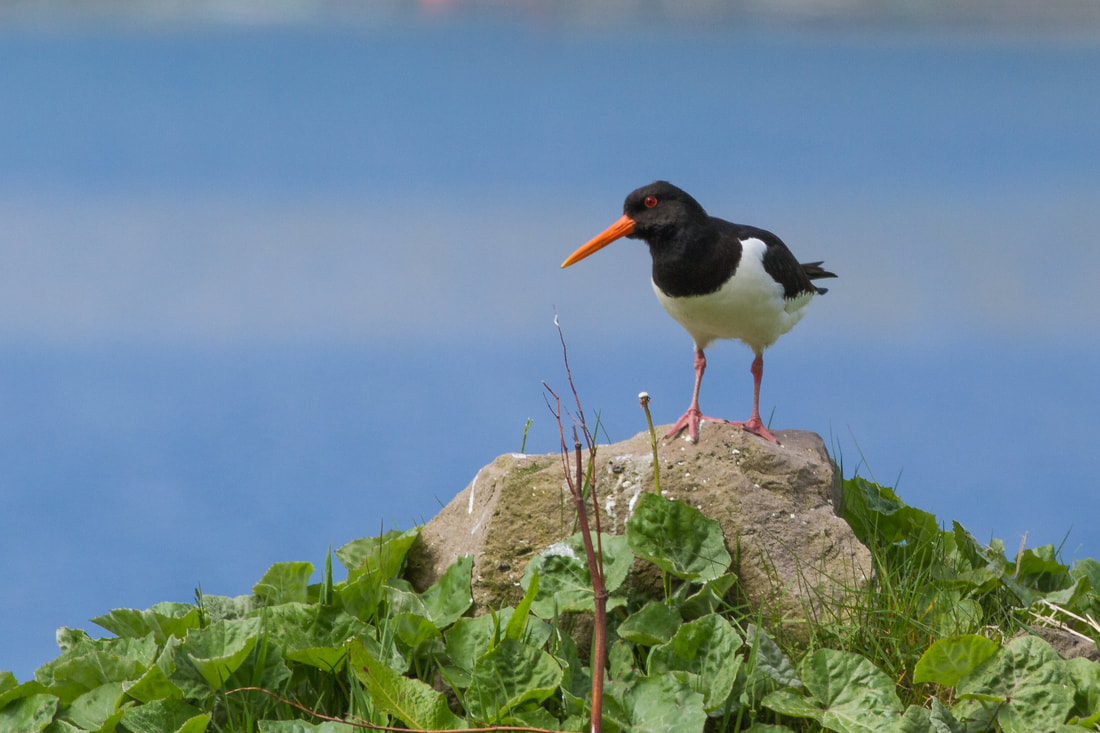 Donkey Sanctuary Monopoly Game - Hot property! One of the most popular board games of all time given a Donkey Sanctuary makeover. (£29.95) Donkey Design Socks - Everybody loves socks for Christmas and The Donkey Sanctuary has a pair to suit everyone! Show off your love for donkeys with these fun ankle-length socks available in various colours, sizes and styles. (from £4.75) Sails and Canvas shopper bag with donkey ears logo This shopping bag was once part of the sail on a boat. It now has a new job as your next bag for life. (£48) 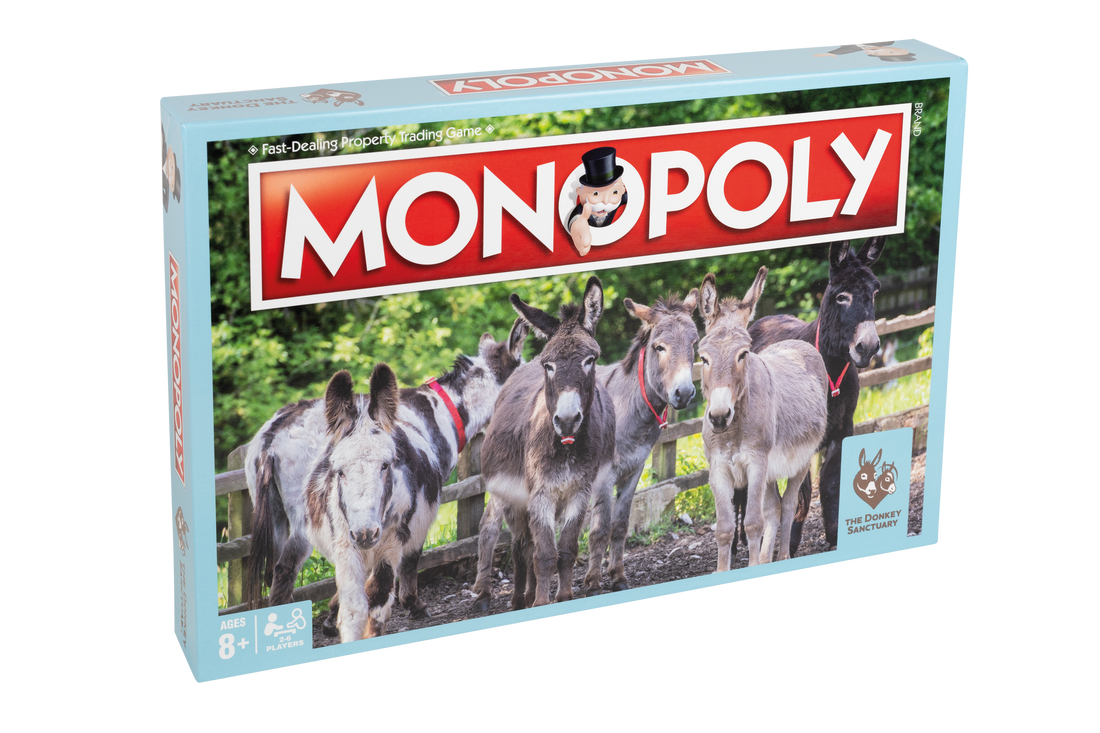 Stainless Steel Insulated Drinks Bottle with Donkey ears design. (£19.95) Watercolour ceramic mug Brighten up your beverage with this marvellous mug. Features delightful donkeys and dragonflies design. (£6.75) Donkey and Bird pack of 10 Christmas cards by James Green. Gorgeous woodcut-style picture featuring a donkey and strikingly scarlet robin in a wintry wood. (£3.95) Donkey Hoof Print Coir Door Mat (£15.95) Collapsible Dog Bowl in The Donkey Sanctuary’s colours of blue and brown (£12.95) Dougal The Doorstop Dougal will prop things open nicely, while looking utterly a-door-able.(£14.95) Watercolour Recycled Packable Shopping Bag with donkey design. (£5.95) Delightful Donkey design hanging basket bracket. Strong and attractive basket bracket. Something to add a bit of metallic magic to your garden. (£22.95) Key Rack with Donkey Design. (£10.95) Adopt a Donkey as a unique gift for £3 per month and your loved one will receive two portraits of their donkey, four beautiful postcards, adoption certificate, keepsake membership card and updates throughout the year. Most importantly, it helps The Donkey Sanctuary’s work in the UK and across the world.
See website for more details: https://www.thedonkeysanctuary.org.uk/shop Specialist small-ship expedition cruise company Heritage Expeditions offers ‘Siberia’s Forgotten Coast’ tour which explores Kamchatka’s remote coastline and supports the critically endangered spoon-billed sandpiper. The company is delighted with the latest news that 22 healthy chicks have been released into the wild. Heritage Expeditions Commercial Director & Expedition Leader Aaron Russ says, “Having supported conservation efforts for the spoon-billed sandpiper since 2011, we are thrilled to learn of this latest success, part of international efforts to help save this incredible wader from extinction.” Of the 30 eggs collected from Arctic breeding grounds, 22 chicks were successfully reared in captivity before being released recently into their natural habitat of Meinypil'gyno, Russia. The head of BirdsRussia, a Russian NGO committed to the Conservation and Study of Wild Birds, Dr Evgeny Syroechkovskiy, explains, “The birds are healthy. All 'wards' were provided with tags before release so they can be tracked along the migration routes, which began in early August. We followed them every day documenting who stayed, who has flown away and who is doing what. " The international ‘head-starting’ project which aims to preserve and increase the bird population was launched nine years ago with the participation of the Wildfowl and Wetland Trust, British Royal Society for the Conservation of Birds and the International Spoon-Billed Sandpiper Task Force of the EAAFP and is supported by the Chukotka Government.
These iconic wading birds only breed in Chukotka and northern Kamchatka in the Far East of Russia, a remote, largely inaccessible region, making it difficult for researchers attempting to identify potential new breeding sites for the birds. However Heritage Expeditions whose purpose-built expedition ships allow them to reach otherwise isolated and inaccessible locations, have been able to support SBS conservation efforts by providing transport for the Spoon-billed Sandpiper Task Force and BirdsRussia. This has enabled researchers to visit parts of the 4,500-kilometre coastline in search of breeding pairs and discover new breeding sites. The company has also delivered a new boat and quad bike to assist research and even transported spoon-billed sandpiper eggs and chicks bound for a conservation breeding facility. Spoon-billed Sandpiper Task Force Coordinator Dr Christoph Zöckler describes the partnership with Heritage Expeditions as a ground breaking example for future cooperation in modern conservation. "Nature conservation urgently needs more collaboration with tourists to enhance their efforts to save the ailing biodiversity on this planet. Our relationship with Heritage Expeditions is a win-win situation for both and an outstanding example of an effective relationship between a conservation group and the business sector." Passengers who join the 14-day Siberia’s Forgotten Coast expedition will not only be able to view spoon-billed sandpipers in Meinypil’gyno the main breeding area in Chukotka, they will also have the chance to play an active role in locating breeding areas in locations never before surveyed. Every day of the expedition reveals the richness and diversity of wildlife species. Highlights include the Commander Islands where sea otters, a variety of whale species and a plethora of sea birds from red-face cormorants to whiskered auklets may be seen, as well as the Govena Peninsula and the largely unknown Chukotka Coast, both of which are home to brown bears. Heritage Expeditions’ next Siberia’s Forgotten Coast voyage departs from Petropavlovsk-Kamchatskiy on 22nd June 2021. Prices from US$7380 pp based on a triple share cabin and includes all meals during the voyage and expedition shore excursions. Further information on spoon-billed sandpipers, visit: https://trips.heritage-expeditions.com/spoon-billed-sandpiper-conservation/ images © ACharles, ETan, CCollins, GBreton |