|
PetsPyjamas, the UK's leading dog-friendly travel company, has announced its partnership with Hyperguest, bringing a new level of convenience and booking opportunities to dog-loving travellers.
Dog-friendly accommodation is difficult to find, let alone connect for OTAs due to limitations surrounding the quantity of dog-friendly rooms at a hotel and many requiring specific room allocations. Hyperguest, however, has alleviated this issue due to the removal of static collections and hotels being able to automatically place their rooms in real-time on the HyperGuests marketplace. Through a partnership with HyperGuest, PetsPyjamas now has direct connectivity with hotels that have strong control and strategic reach into the demand market, which is especially important when distributing dog-friendly rooms. Matt Rushworth, Chief Strategy Officer at PetsPyjamas says, “Hyperguest allows us to connect to 95% of our existing inventory, easily identify dog-friendly rooms and display live dynamic pricing through one API connection. Booking dog-friendly rooms couldn't be easier. It also allows us access to a marketplace of additional inventory, improving our offering to dog-loving customers.” About PetsPyjamas: PetsPyjamas is the number one dog-friendly travel company in the UK, dedicated to helping pet owners discover and book the best pet-friendly accommodations and activities. With a user-friendly platform and dedicated team of pet travel experts to help, PetsPyjamas is dedicated to helping pet owners discover and book the best possible accommodations and experiences for them and their pets. With over 18,000 pet-welcoming hotels, cottages, and B&Bs across the country to browse and book, many with exclusive pet packages, PetsPyjamas also offers treats and perks including free dog stays for your pet, VIP membership plus a Pawsquad vetline cover.
0 Comments
Kelling Heath Holiday Park Welcomes Rare Autumn Litter of Endangered Red Squirrel Kittens16/12/2023 The Holiday Park's rare Autumn litter will help restore endangered native populations as part of a conservation network across the UK
Kelling Heath Holiday Park in North Norfolk has welcomed a litter of two healthy red squirrel kittens, born late September to its resident breeding pair. An autumn arrival of red squirrel kittens is remarkably rare, with the species usually producing litters between February and June. The thriving litter of kittens will further the Park's historic conservation efforts. The new red squirrel kittens will join the previous litter born in July 2023 and can already be seen outside the nest box in the enclosure, settling into their new home. In an effort to help protect this endangered native species, Kelling Heath has successfully bred three healthy litters this year, totalling nine kittens in 2023 alone. David Martin, Countryside Manager at Kelling Heath Holiday Park said: “Welcoming a litter as late as autumn is an incredibly rare thing and took the team by surprise. We're overjoyed at such wonderful news and we're happy to see the little ones out and about in their enclosure already.” Before the kittens go on to join other conservation and rewilding programmes, they will spend at least six months at Kelling Heath learning everything they need to survive and thrive in the wild. With the help of their parents, they will learn how to climb trees, jump and forage for pinecones while independently exploring their protected enclosure. Kelling Heath was one of the last places in Norfolk that red squirrels called home before they disappeared from the region over 40 years ago due to the introduction of the non-native American grey squirrel. Now, the red squirrel population is slowly increasing thanks to both regional and nationwide conservation efforts. “We're very proud to support the biodiversity of the region and the legacy of the red squirrel through our ongoing conservation efforts. We're thrilled to see the numbers of red squirrels increasing across the nation and are proud of the part Kelling Heath's efforts play in that for this magnificent native species”, Martin adds. To keep up-to-date with the kittens' journeys, follow Kelling Heath Holiday Park's Facebook @kellingheath or Instagram @kelling_heath pages. Since 1999, Kelling Heath has kept red squirrels as part of a national conservation scheme to help restore population numbers of the endangered species. Since then, Kelling Heath's red squirrel kittens have either been sent to other licensed captive programmes or released into the wild where established colonies still thrive within the UK. Red squirrels are an endangered species due to the loss of their woodland habitat and the introduction of the non-native American grey squirrel. To find out more about Kelling Heath Holiday Park, go to: www.kellingheath.co.uk 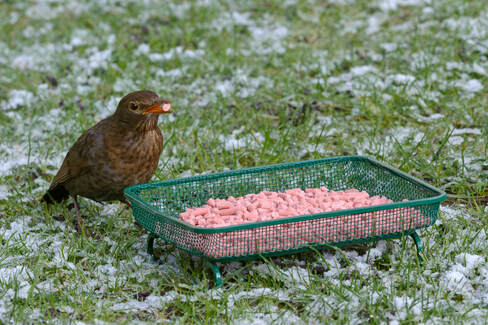 Many foods we enjoy are also hits with the birds, especially during the colder months when there are fewer natural food sources available and they need extra calories to stay warm. Try sprinkling some of these treats on your bird table and see which birds come along. Maybe you'll see robins or starlings or you may be lucky enough to see a winter migrant bird such as a redwing. Some ideas :
Another great option is packaged food. Sparrows, tits and finches will visit feeders containing nuts, fat or seed mixtures. Insect-eaters including dunnocks, robins, starlings and wrens prefer mealworms, while suet-based products are an all-round crowd-pleaser, their high calories providing a boost for birds through the cold nights. As for drinks – water is key for birds, both to drink and to clean their feathers so they’re in tip-top condition to fly and keep themselves warm. Birds can find it harder to find water in the winter as ponds start to freeze, so they appreciate a bird bath. Even a dustbin lid with some stones at the bottom for grip will do the job. Water keeps freezing? Try floating a ping pong ball on the surface. The slightest gust of wind will keep the ball moving and stop the water turning to ice. www.rspb.org.uk (images copyright Ben Andrew/ Chris Gomersal/ RSPB) 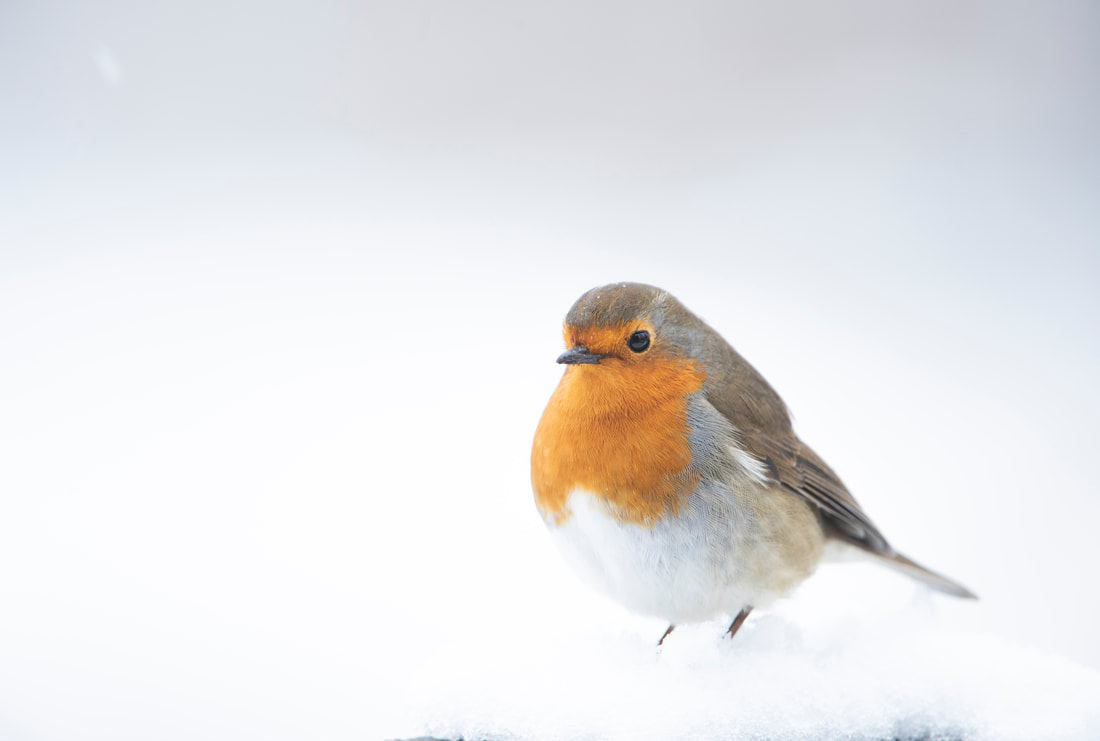 Guest Post
by Harry Roberts Managing Director My Favourite Cottages Statistics tell us that 3.2 million UK households welcomed a new pet since the pandemic, with 59 percent now owning one. A recent study revealed searches for 'dog-friendly holidays’ had a 665 % surge last year. For National Pet Month, Harry Roberts, Managing Director My Favourite Cottages shares his top tips for going on holiday with man’s best friend… Plan ahead Preparation is key when travelling with dogs. Research dog-friendly accommodations at your destination and ensure they have the right facilities. Also check that there are plenty of walks and trails available for you and your dog to enjoy. It’s also worth finding out if there are any dog-friendly beaches nearby that allow them to roam freely. Getting to grips with where you’re staying beforehand makes life a lot easier when you’re there, plus it saves time and ensures you’re picking the perfect spot for your stay. Before you leave, make sure you pack essentials such as a sturdy lead, harness, waste bags, identification tags, treats and pet food. It's also a good idea to bring your pet's medical records along too, ensure they are microchipped and look into how far away you are from local vets and whether they offer emergency appointments should any health problems arise, or your pet gets lost far away from home. While travelling Sitting in a car for hours on end can be tedious for most of us, as it is for our pets. When travelling, check your pet has plenty of food and water for the journey and stop for regular breaks to allow them to replenish and go to the toilet. Meanwhile, your pet's safety is paramount. Use a special seatbelt or harness to ensure your dog can't roam around the vehicle and distract you. Another good option is a pet carrier which allows them to stand up and lie down comfortably. Making the most of your stay Remember your holiday is as much for your dog as it is for you. Allow your dog to get to grips with their new environment, smells and sounds, to allow them to feel safe and relaxed. Kitting your holiday home out with their favourite toys, blankets and belongings will help create a little sanctuary for them. Give your pup plenty of attention and never leave them alone in your holiday home unattended, new places are sure to make them feel anxious or uneasy. Be cautious of letting your dog off the lead in busy areas unfamiliar to both of you, as you never know what dangers could be around the corner, be that of other animals, people or hazards. Try and stick to a routine as much as possible, including set feed and walk times, dogs are creatures of habit, after all. Above all, have fun and enjoy your time away with your pup! It was a great idea of Debi Emmett's to establish a Pet Food Bank service. Based in South Wales, the charity provides pet food and pet items for those who struggle to feed their beloved companions, including the homeless, those in financial difficulties, the elderly and victims of natural disasters. 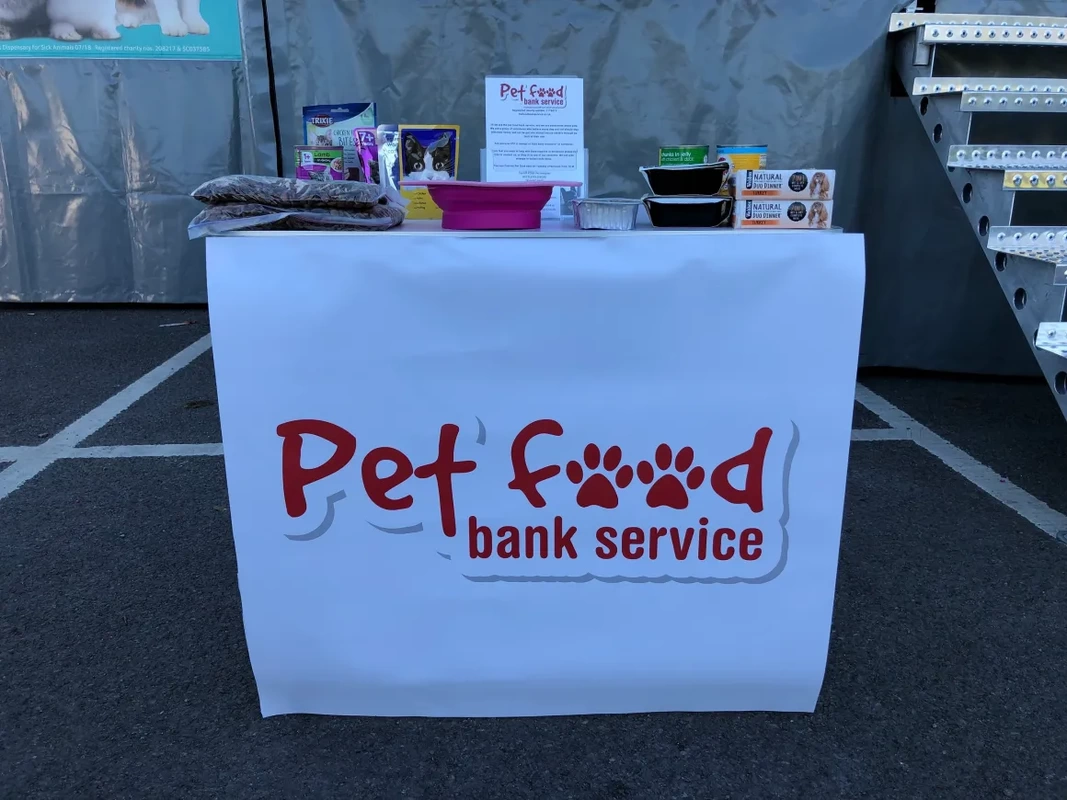 Up to March this year, the service has provided a whopping: 15,532 pet meals 827 packets of dog treats 100 poo bags 90 blankets/towels 153 dog coats 161 collars/ harnesses / leads 41 Dog toys 99 Packets of cat treats Total pet meals provided to date: 79,692 More are always needed and there are lots of ways you can help Debi to help the animals, look here: https://petfoodbankservice.co.uk/help-us 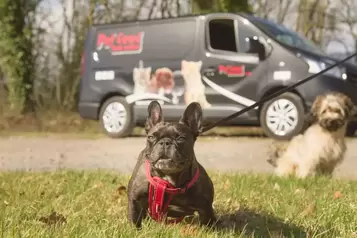 Debi runs the service ably assisted by some friends and her lovely dog Ruby, official 'greeter' for the charity and chief of quality control. This is Ruby >>>>>>>> To find out more, visit www.petfoodbankservice.co.uk email Debi at: [email protected] or call her on 0787 1926934. 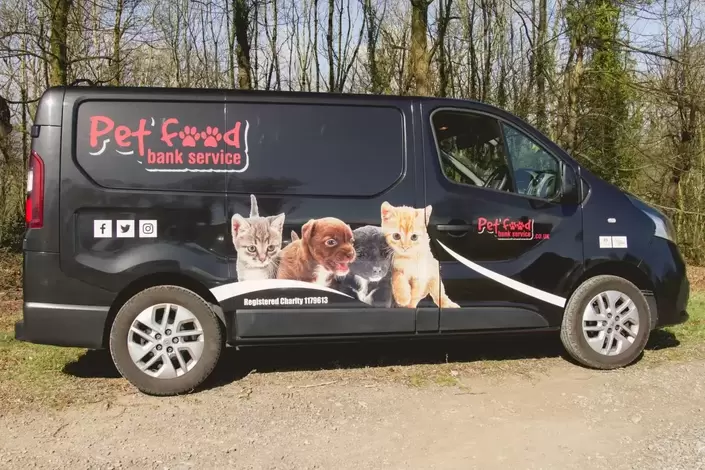 images (c) petfoodbankservice
|